


419 King Street West
Oshawa, Ontario L1J 2K5


Why Is My Eye Twitching? 5 Common Causes & When to Worry
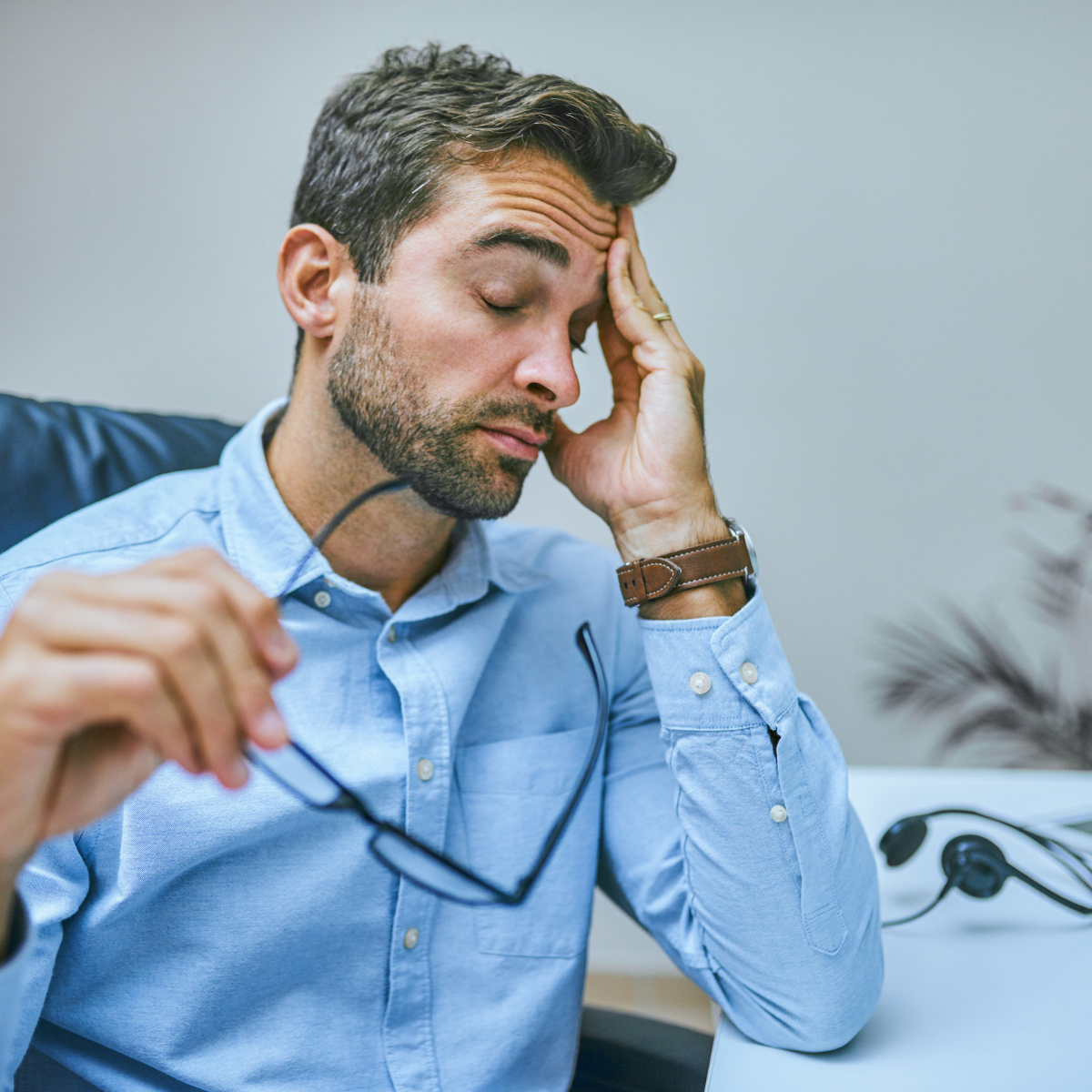
You're sitting at your desk, watching TV, or scrolling through your phone when suddenly, your eyelid starts twitching.
It's a strange sensation. Your eye seems to have a mind of its own, and no matter how hard you try, you can't make it stop.
Sound familiar?
The good news is that most eyelid twitching is harmless and goes away on its own. But when it keeps happening, it's natural to wonder what's causing it.
Let's look at five common reasons your eye might be twitching, what you can do to help, and when it's worth getting checked.
Why Does My Eye Keep Twitching?
Eye twitching, medically known as eyelid myokymia, happens when the muscles in your eyelid contract involuntarily.
You might notice a flutter in your upper or lower eyelid, usually affecting just one eye. It may last a few seconds or come and go over several days.
While it can feel noticeable to you, the movement is often so subtle that other people can't see it.
Here are five common factors that may contribute.
1. You're Not Getting Enough Sleep
Have you been staying up later than usual or waking up feeling exhausted?
Fatigue is one of the most common triggers of eyelid twitching.
When you're not getting enough rest, your eyelid muscles may become more prone to involuntary contractions.
What may help: Aim for a consistent sleep schedule and give yourself enough time to rest.
2. You're Feeling Stressed
Stress doesn't just affect how you feel mentally. It can also show up physically.
For some people, periods of increased stress are accompanied by eyelid twitching.
You may notice it happening more often during busy workweeks, stressful situations, or when you're feeling overwhelmed.
What may help: Regular exercise, relaxation techniques, and taking short breaks throughout the day may help reduce stress-related twitching.
3. You're Drinking Too Much Caffeine
Love your morning coffee?
Caffeine stimulates your nervous system, and consuming too much may contribute to muscle twitching, including in your eyelids.
If you've recently increased your coffee, tea, or energy drink intake, it could be playing a role.
What may help: Try gradually reducing your caffeine consumption and see whether the twitching improves.
4. You're Spending Long Hours Looking at Screens
Between work, smartphones, and streaming your favourite shows, it's easy to spend hours looking at digital screens.
Prolonged screen use can contribute to eye fatigue and dryness, particularly because we tend to blink less frequently when concentrating.
Although screen time doesn't directly cause every eyelid twitch, the associated fatigue and irritation may contribute.
What may help: Follow the 20-20-20 rule. Every 20 minutes, look at something approximately 20 feet away for at least 20 seconds.
Remember to blink fully and take regular breaks.
5. Your Eyes Are Dry or Irritated
Sometimes, eyelid twitching occurs alongside dry or irritated eyes.
You might also notice:
Burning or stinging
Redness
Watery eyes
A gritty sensation
Blurry vision that comes and goes
Dry eye disease occurs when your eyes don't produce enough tears or when your tears evaporate too quickly.
If your eyes frequently feel uncomfortable, an optometrist can help identify the underlying cause.
Related reading: Why Do My Eyes Burn?
How Can I Stop My Eye From Twitching?
If your eyelid twitching is mild and you're not experiencing other concerning symptoms, a few simple changes may help:
Prioritize sleep. Getting adequate rest may reduce fatigue-related twitching.
Cut back on caffeine. Consider reducing coffee, tea, or energy drinks if you're consuming more than usual.
Take screen breaks. Give your eyes opportunities to rest throughout the day.
Manage stress. Make time for activities that help you relax.
Address eye irritation. If your eyes are frequently dry or uncomfortable, speak with your optometrist about appropriate care.
Most ordinary eyelid twitches resolve without medical treatment.
When Should You Worry About Eye Twitching?
An occasional eyelid flutter usually isn't a reason for concern.
However, consider scheduling an eye examination if:
Your eyelid keeps twitching for several weeks.
The twitching becomes more frequent or intense.
Your eyelid repeatedly closes involuntarily.
Twitching spreads to other parts of your face.
You notice persistent redness, irritation, or discomfort.
If your eye twitching is accompanied by significant light sensitivity, eye pain, or changes in vision, seek prompt medical assessment.
Sudden vision loss, severe eye pain, or sudden neurological symptoms require emergency care.
Can an Optometrist Help With Eye Twitching?
Yes, particularly when twitching is persistent or accompanied by other eye symptoms.
During an eye examination, your optometrist can evaluate your vision, examine your eye health, and look for signs of irritation or other conditions.
Depending on the findings, they may recommend treatment, adjustments to your eye care routine, or further evaluation.
At Oshawa Eye Care, our optometrists provide comprehensive eye examinations to help you better understand and care for your eyes.
Learn more: Comprehensive Eye Exams at Oshawa Eye Care
Frequently Asked Questions
Why is only one eye twitching?
It's common for ordinary eyelid twitching to affect just one eye. Fatigue, stress, caffeine, and irritation are possible triggers.
Can too much screen time make my eye twitch?
Prolonged screen use can contribute to eye fatigue and dryness, which may be associated with twitching. Taking regular breaks may help.
How long does eye twitching usually last?
A typical eyelid twitch may come and go over hours or days and often resolves without treatment. If it continues for several weeks or becomes more severe, arrange an examination.
Does eye twitching mean I need glasses?
Not necessarily. Eye twitching alone doesn't mean your prescription has changed. However, if you're also experiencing blurry vision or difficulty focusing, an eye examination may help identify a vision-related concern.
Is eye twitching a sign of something serious?
Most occasional eyelid twitches are harmless. Persistent twitching, involuntary eyelid closure, facial muscle involvement, or accompanying eye symptoms should be evaluated.
Still Wondering Why Your Eye Keeps Twitching?
Most eyelid twitches are temporary, but if yours keeps returning or you're experiencing other symptoms, it's worth finding out why.
At Oshawa Eye Care, our team can assess your symptoms and help you understand what's happening with your eyes.
Book a comprehensive eye examination with Oshawa Eye Care today.

- Monday10:00AM - 7:00PM
- Tuesday10:00AM - 7:00PM
- Wednesday10:00AM - 7:00PM
- Thursday10:00AM - 7:00PM
- Friday10:00AM - 7:00PM
- Saturday10:00AM - 5:00PM
- Sunday11:00AM - 4:00PM
In the Brampton area? You can visit bramptoneyeclinic.com in Brampton, ON
© 2026 Oshawa Eye Care | All rights Reserved | Accessibility Statement | Privacy Policy | Terms and Conditions
Powered by
