


419 King Street West
Oshawa, Ontario L1J 2K5


Using Eye Drops Every Day? Why Your Dry Eye Isn't Improving | Oshawa Eye Care
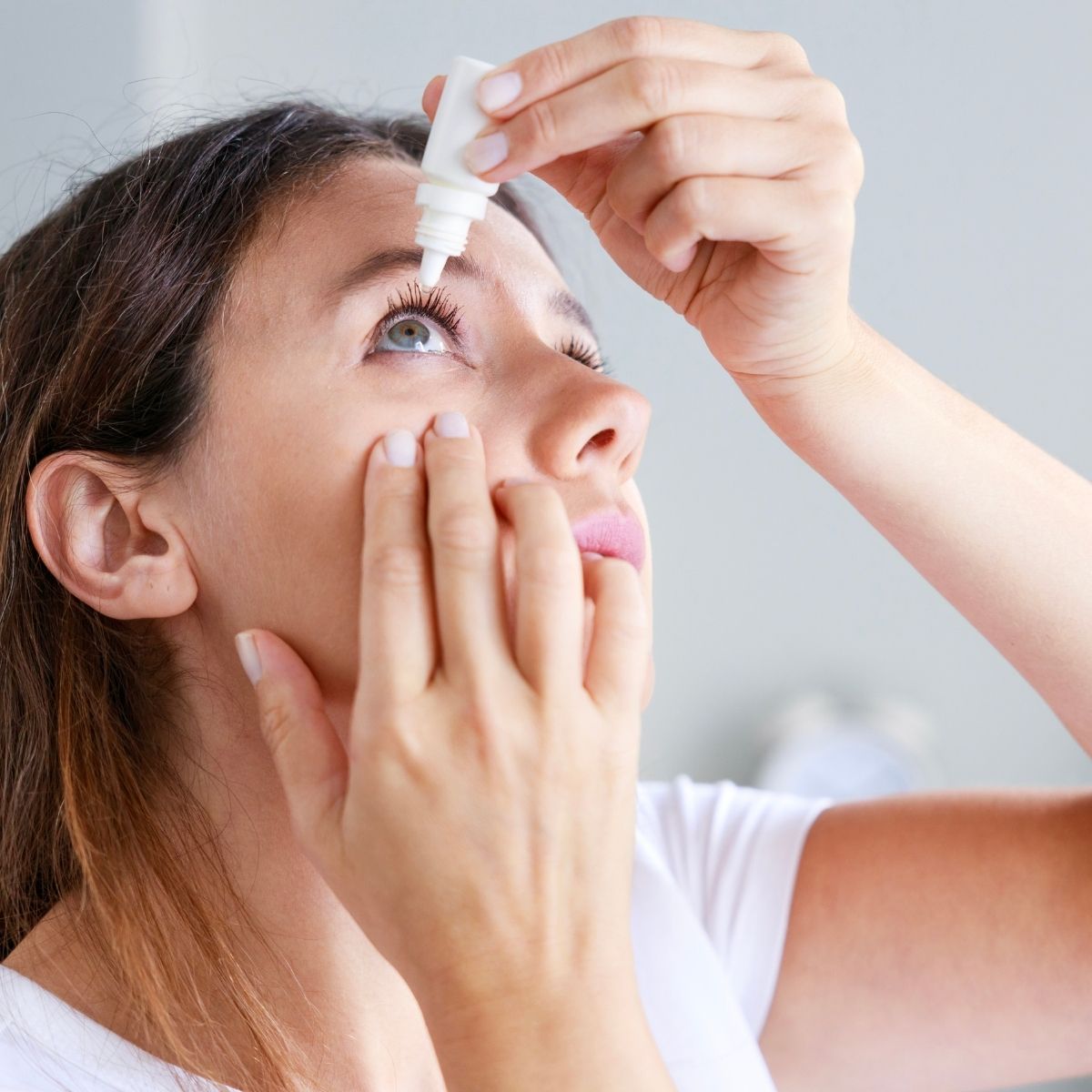
Do you find yourself reaching for eye drops multiple times a day, only to have your symptoms return a short time later?
You're not alone.
Many people with dry eye rely on artificial tears for temporary relief, but if you're using eye drops every day and still experiencing burning, irritation, watery eyes, or blurry vision, there may be an underlying issue that eye drops alone can't solve.
At Oshawa Eye Care, we often see patients who have been treating their symptoms for months without realizing they may need more than artificial tears to find lasting relief.
Why Aren't My Eye Drops Working?
Artificial tears help lubricate the surface of the eye and can provide temporary comfort. However, many cases of chronic dry eye are not simply caused by a lack of tears.
In fact, one of the most common causes of dry eye is poor tear quality.
When tears evaporate too quickly, symptoms can return shortly after using eye drops, leaving patients frustrated and wondering why nothing seems to work.
If you're relying on eye drops several times a day, it's worth investigating the root cause of your symptoms.
The Most Common Cause of Chronic Dry Eye
One of the leading causes of dry eye is Meibomian Gland Dysfunction (MGD).
The meibomian glands are tiny oil-producing glands located along the eyelids. Their job is to produce the oil layer of your tears, which helps prevent moisture from evaporating too quickly.
When these glands become blocked or stop functioning properly:
Tears evaporate too quickly
The eyes become dry and irritated
Symptoms return shortly after using eye drops
Vision may fluctuate throughout the day
Because eye drops do not address blocked glands, many patients continue to struggle with symptoms despite frequent use.
5 Signs Your Dry Eye Needs More Than Eye Drops
You may benefit from a comprehensive dry eye assessment if:
1. You're Using Eye Drops Several Times a Day
If relief only lasts a short time, there may be an underlying cause that needs treatment.
2. Your Eyes Burn or Sting
Persistent burning is a common symptom of chronic dry eye.
3. Your Vision Becomes Blurry
An unstable tear film can cause vision to fluctuate throughout the day.
4. Your Eyes Water Excessively
Watery eyes may actually be a sign of dry eye. The eyes often produce excess tears in response to irritation.
5. Symptoms Keep Coming Back
If your symptoms return day after day, it's time to look beyond temporary relief.
Why Some Dry Eye Patients Need More Than Eye Drops
For many patients, the goal isn't simply to add more moisture—it's to improve the health of the tear film and eyelid glands.
When MGD is the underlying cause, treatment may focus on restoring proper gland function rather than simply masking symptoms.
That's why a personalized dry eye evaluation is so important. Identifying the source of the problem allows treatment to be tailored to your specific needs.
Dry Eye Treatment at Oshawa Eye Care
At Oshawa Eye Care, we take a comprehensive approach to diagnosing and managing dry eye disease.
Depending on the cause of your symptoms, treatment may include:
Artificial tear recommendations
Eyelid hygiene routines
Warm compress therapy
Lifestyle and environmental modifications
Advanced dry eye therapies
IPL (Intense Pulsed Light) & RF (radio frequency) treatment for suitable candidates
IPL treatment can help improve meibomian gland function and may provide lasting relief for patients with certain forms of chronic dry eye.
Find Long-Term Relief From Dry Eye
If you're using eye drops every day but still struggling with dry, irritated, watery, or uncomfortable eyes, there may be an underlying cause that requires more than temporary relief.
A comprehensive dry eye assessment can help identify the source of your symptoms and determine the most effective treatment options.
Contact Oshawa Eye Care today to book a dry eye consultation and take the first step toward clearer, more comfortable vision.
Frequently Asked Questions
Why do my eyes still feel dry after using eye drops?
Many cases of dry eye are caused by poor tear quality or meibomian gland dysfunction, which eye drops alone may not address.
Can dry eye cause watery eyes?
Yes. When the eyes become irritated, they often produce excess tears as a protective response, resulting in watery eyes.
What is MGD?
Meibomian Gland Dysfunction (MGD) occurs when the oil-producing glands in the eyelids become blocked or stop functioning properly. It is one of the most common causes of chronic dry eye.

- Monday10:00AM - 7:00PM
- Tuesday10:00AM - 7:00PM
- Wednesday10:00AM - 7:00PM
- Thursday10:00AM - 7:00PM
- Friday10:00AM - 7:00PM
- Saturday10:00AM - 5:00PM
- Sunday11:00AM - 4:00PM
In the Brampton area? You can visit bramptoneyeclinic.com in Brampton, ON
© 2026 Oshawa Eye Care | All rights Reserved | Accessibility Statement | Privacy Policy | Terms and Conditions
Powered by
