


419 King Street West
Oshawa, Ontario L1J 2K5


Does My Child Need an Eye Exam After a Vision Screening?
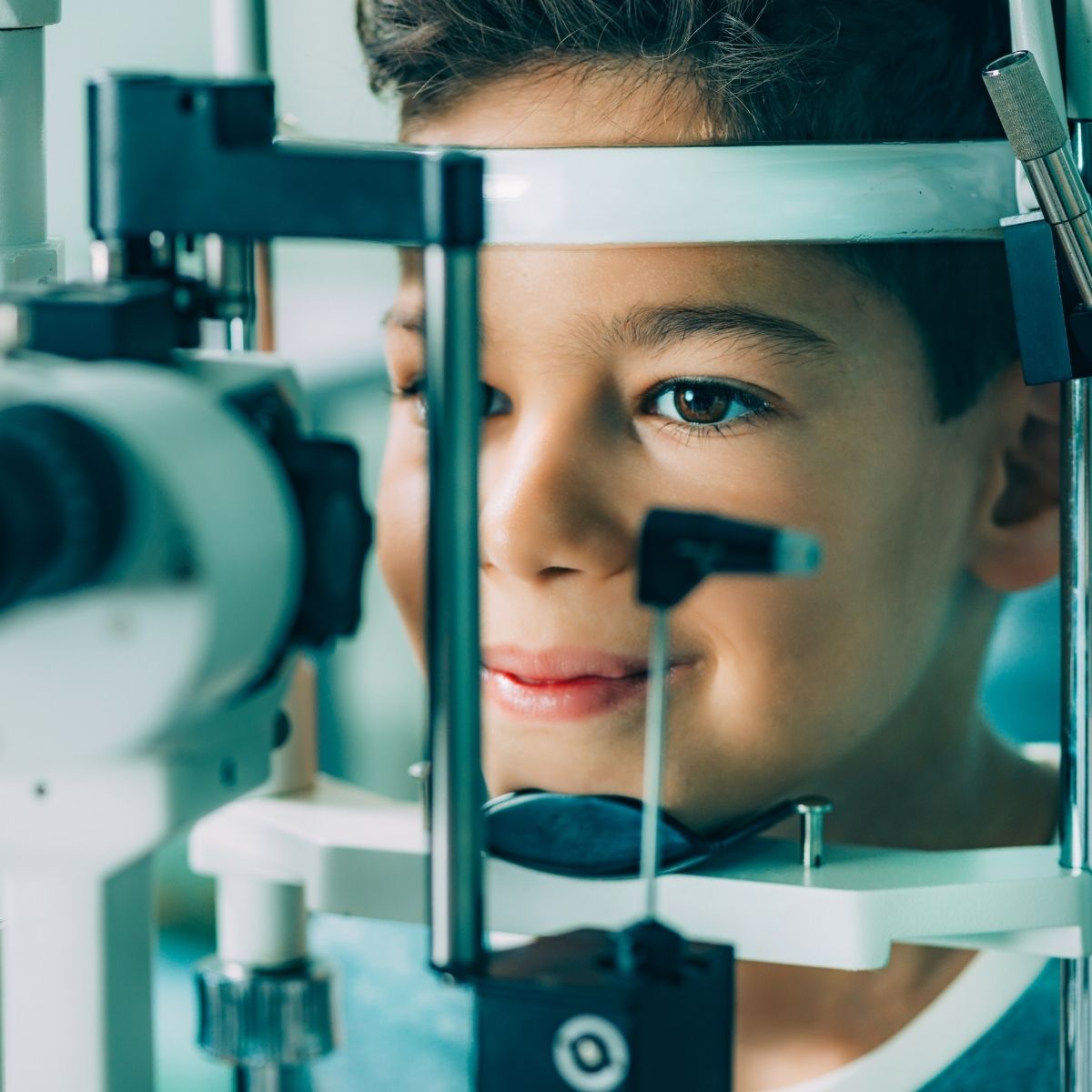
My Child Passed a Vision Screening — Do They Still Need an Eye Exam?
If your child passed a school or pediatric vision screening, you may assume their eyes are healthy and there's no need for an eye exam.
But passing a vision screening doesn't replace a comprehensive eye exam.
Vision screenings are useful for identifying some potential vision problems, but they don't assess everything an optometrist checks during a full eye examination.
For children heading back to school, a comprehensive eye exam can help identify vision or eye-health concerns that may otherwise go unnoticed.
Vision Screening vs. Eye Exam: What's the Difference?
The biggest difference is the depth of testing.
A vision screening is designed to identify children who may be at risk for certain vision problems and need further assessment.
A comprehensive eye exam evaluates your child's vision in much greater detail and assesses the health and function of their eyes.
Vision Screening | Comprehensive Eye Exam |
Basic check of vision | Detailed assessment of vision |
May identify difficulty seeing at a distance | Evaluates distance and near vision |
Limited testing | Checks how the eyes focus and work together |
Does not provide a complete assessment of eye health | Evaluates overall eye health |
May indicate that further testing is needed | Performed by an optometrist to diagnose vision and eye-health concerns |
A child can therefore pass a vision screening and still have a vision problem that may affect reading, schoolwork or everyday activities.
Why Can Children's Vision Problems Be Easy to Miss?
Children don't always realize that they're having trouble seeing.
If the world has always looked a certain way to them, they may assume their vision is normal. Instead of telling you that something is blurry, you might notice changes in their behaviour.
Signs to watch for can include:
Squinting
Sitting very close to screens
Holding books or devices close to their face
Frequent headaches or tired eyes
Rubbing their eyes
Losing their place while reading
Avoiding reading or close-up work
Difficulty concentrating on schoolwork
Closing or covering one eye
Some children, however, may have no obvious symptoms at all.
That's one reason regular comprehensive eye exams are important even when your child hasn't complained about their vision.
Can Vision Affect Learning?
Clear, comfortable vision is important for many activities children perform throughout the school day, including reading, writing, viewing the board, using computers and switching focus between near and distant objects.
If a child isn't seeing clearly or their eyes aren't working together effectively, schoolwork may become more difficult or tiring.
An eye exam can help determine whether a vision issue may be contributing to these difficulties.
What Does a Children's Eye Exam Check?
A comprehensive children's eye exam looks beyond whether your child can read letters on an eye chart.
Depending on your child's age and needs, an optometrist may assess:
Distance and near vision
Whether glasses are needed
Eye focusing ability
How well the eyes work together
Eye alignment
Depth perception
Overall eye health
The goal is to make sure your child's eyes are healthy and that their vision is supporting them at school and in everyday life.
Are Children's Eye Exams Covered by OHIP?
Yes. In Ontario, eligible children and youth under age 20 are covered by OHIP for a routine eye examination every 12 months.
That means parents don't have to wait until their child is struggling at school or complaining about blurry vision to have their eyes checked.
How Often Should Children Have an Eye Exam?
School-aged children should generally have their eyes examined yearly, even if they see well and haven't noticed any problems.
Annual eye exams can be particularly helpful during childhood because children's vision can change as they grow.
If your child develops symptoms such as blurry vision, headaches, squinting or difficulty seeing the board, don't wait until their next routine visit to have their vision assessed.
Book a Children's Eye Exam in Oshawa
A vision screening can be helpful, but passing one doesn't necessarily mean your child has perfect vision or healthy eyes.
A comprehensive eye exam provides a much more complete picture of how your child sees and how their eyes are functioning.
If your child hasn't had an eye exam recently, back-to-school season is a great time to check their vision.
Book a children's eye exam at Oshawa Eye Care and help make sure your child's vision is ready for the school year.
Frequently Asked Questions
Does my child need an eye exam if they passed a vision screening?
Yes. A vision screening is not the same as a comprehensive eye exam. A child may pass a screening while still having a vision or eye-health issue that requires assessment by an optometrist.
What is the difference between a vision screening and an eye exam?
A vision screening is a basic check intended to identify possible vision concerns. A comprehensive eye exam assesses vision, focusing, eye coordination and overall eye health in much greater detail.
Can my child have a vision problem without knowing it?
Yes. Children don't always recognize or report vision problems because they may assume the way they see is normal. Some vision problems also cause few obvious symptoms.
Are children's eye exams free in Ontario?
Routine eye examinations for eligible children and youth under age 20 are covered by OHIP once every 12 months.
How often should my child get an eye exam?
School-aged children generally benefit from regular eye examinations. Your optometrist can recommend an appropriate schedule based on your child's age, vision and eye health.

- Monday10:00AM - 7:00PM
- Tuesday10:00AM - 7:00PM
- Wednesday10:00AM - 7:00PM
- Thursday10:00AM - 7:00PM
- Friday10:00AM - 7:00PM
- Saturday10:00AM - 5:00PM
- Sunday11:00AM - 4:00PM
In the Brampton area? You can visit bramptoneyeclinic.com in Brampton, ON
© 2026 Oshawa Eye Care | All rights Reserved | Accessibility Statement | Privacy Policy | Terms and Conditions
Powered by
